
Usual size: one fitting or one tank, but often in a garage, a closet or a wall where it runs for a while before it's found. Most of East Hill was built out in subdivisions from the 1960s onward, and a lot of those houses are now forty to sixty years old. Kitchens and bathrooms have often been redone. The pipes behind the walls, the shutoff valves and the water heater location often haven't. Those original parts are where many of the leaks in these houses start.
What Houses From These Decades Often Still Have
| Part | Common in | What tends to go wrong |
|---|---|---|
| Galvanized steel supply lines | Houses from the 1960s and earlier | Rust inside the pipe; pinhole leaks and failures at threaded joints |
| Early copper supply lines | Houses from the 1960s through the 1980s | Pinholes, especially where water chemistry or installation was hard on it |
| Polybutylene (gray plastic) lines | Some houses from the late 1970s into the 1990s | Fittings and the pipe itself can crack with age |
| Multi-turn gate or stop valves | Under sinks and toilets in older houses | They seize, or start leaking at the stem when finally turned |
| Water heaters in garages and closets | Split-levels and ramblers | Tanks rust through after roughly 8 to 15 years; replacements often went in the same spot |
You won't always know what's in your walls. Look where pipes are exposed: under sinks, at the water heater, in the garage or crawlspace.
The Water Heater
A tank water heater is the most common single source of a big leak in houses this age. Many split-levels and ramblers on East Hill put the heater in the garage, a utility room on the lower floor, or a closet off a hallway. A tank that rusts through can let out its whole contents, often 40 to 50 gallons, plus whatever flows in from the supply line until someone shuts it off. In a garage, that water runs under the shared wall into the family room. In a hallway closet, it goes into the subfloor and the ceiling below.
Signs a tank is near the end: rust-colored water, rumbling, moisture or rust around the base, and a date on the label well over a decade old.
Behind the Walls
Supply lines run from the main to every fixture, often through the ceiling of the lower floor in a split-level. A pinhole in an old copper or galvanized line drips constantly. It shows up as a ceiling stain that keeps growing whether or not anyone is using water upstairs, or as damp drywall low on a wall near a bathroom or kitchen. Old fittings that were patched once are a clue: where one patch is, others usually follow.
What a Restoration Company Does
It dries the damage: opens the ceiling or wall where needed, extracts water from floors and carpet, dries the framing and subfloor, and rebuilds. Replacing the pipe or the water heater is separate plumbing work. Many owners use the opening in a wall or ceiling, while it's open anyway, as the time to have old lines replaced.
Shutoff Valves That Don't Shut Off
Old valves are a problem the moment you need them. Many houses from these decades have multi-turn valves under sinks and toilets, and a main shutoff that hasn't been turned in years. When a leak starts and someone finally turns the valve, it may not close fully, or it may start leaking at the stem. Know where your main shutoff is before you need it; in split-levels it's often in the garage, a lower-level utility room or near the water heater, and in some ramblers it's in the crawlspace or at the meter by the street.
Remodeled Above, Original Behind
Most of these houses have had at least one kitchen or bathroom remodel. New cabinets, tile and fixtures went in, but the lines inside the walls feeding them often stayed. The result is a modern-looking bathroom connected to fifty-year-old pipe. A leak at the joint where new meets old is common, and it can look like the new fixture failed when the real cause is the old line behind it.
Questions
Should I replace all the old pipes now?
That depends on the house and your budget; ask whoever handles your plumbing. If a restoration company has a wall or ceiling open, it's the cheapest time to do it.
How do I know how old my water heater is?
The label usually has a serial number that encodes the manufacture date, and many show the date outright.
Is polybutylene a problem?
It has a history of failures, and some insurers ask about it. If you see gray plastic pipe, mention it on the call.
Around Kent
These houses fill East Hill North and the streets around Kentridge. Similar-age homes in Normandy Park share the same parts. The whole-job page is restoration and mitigation.
Washington L&I: check the contractor who replaces a tank or line
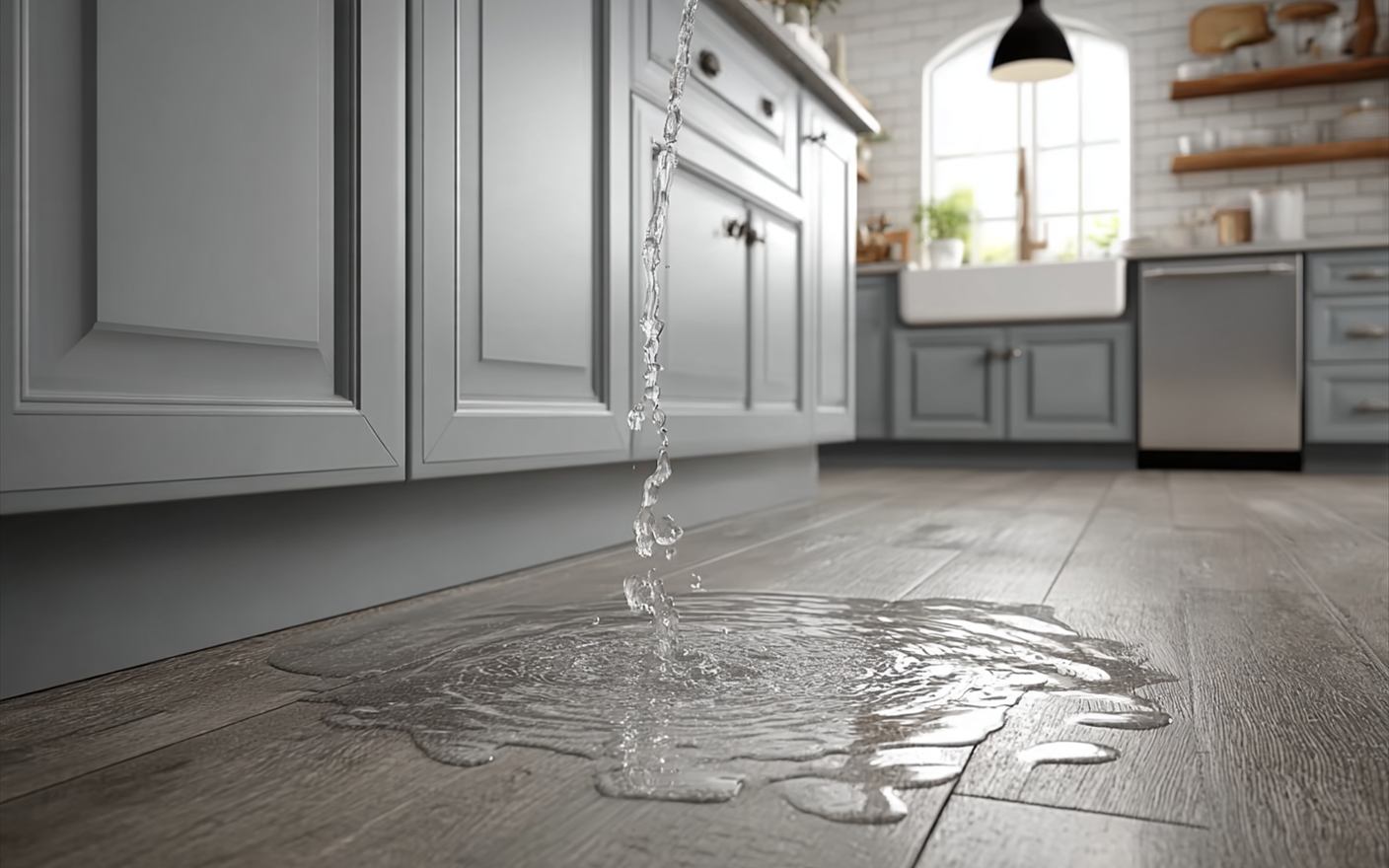
Kitchen Leaks: Dishwasher, Ice Maker and the Sink Cabinet
Three lines under the counter, three ways to fail.
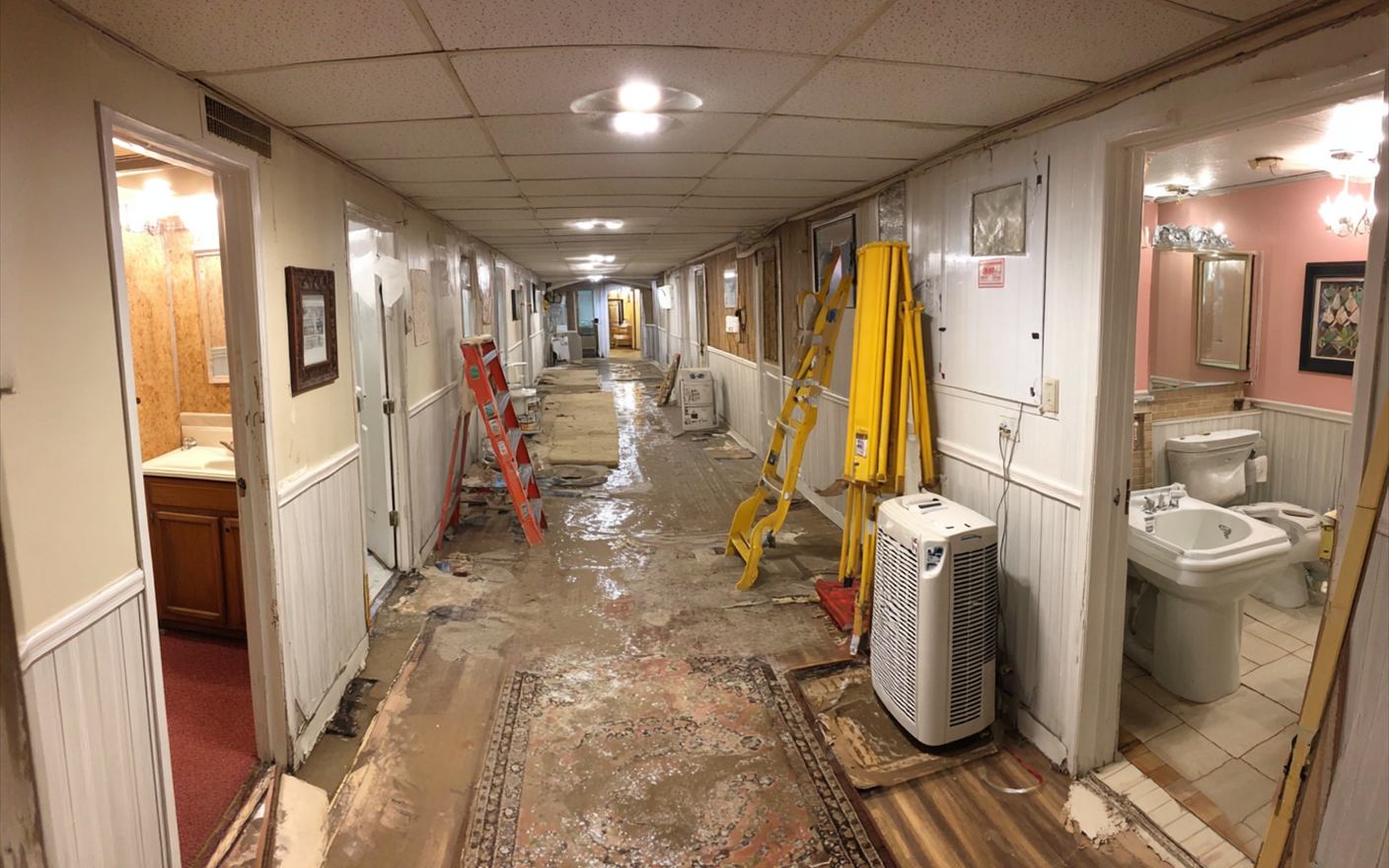
Water Damage From a Remodel or Plumbing Job
When the leak starts after the work.