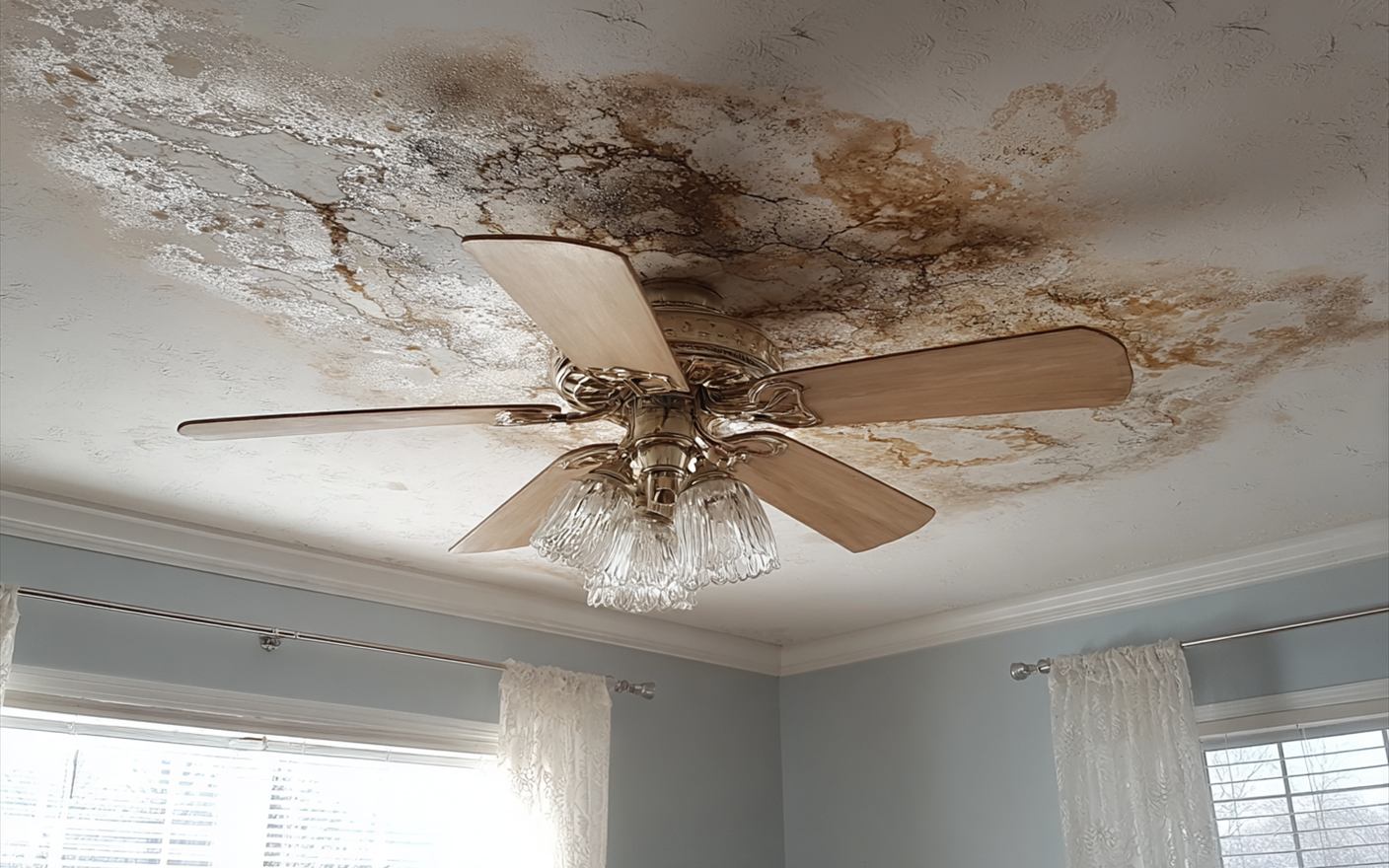
Usual size: a bulge a couple of feet across, holding anywhere from a cup to several gallons of water on top of the drywall. A sagging ceiling is the stage just before failure. Drywall is made of gypsum pressed between paper. Wet, it loses most of its strength, and a pool of water sitting on top can tear it open without warning. The priority is people, then power, then the water.
The Next Ten Minutes
- Get everyone out of the room, including pets, and keep them out.
- Turn off the circuit for any light, fan or smoke alarm in that ceiling at the electrical panel, if you can reach the panel without walking through water.
- Stop the source if you know it: the toilet supply valve, the washer valves, the main shutoff.
- Move what you can from the edges of the room without standing under the bulge.
- Call and describe the size: how big the sag is, how fast it's dripping, and what's above it.
Why Not Just Poke a Hole?
You may have heard that a small hole at the low point lets the water out in a controlled way. It can, but it means standing under a ceiling that might give way, with a sharp tool overhead and water and electricity nearby. If the drywall is soft enough to sag, it may tear far wider than the hole. In older homes, the ceiling texture may also need testing before it's disturbed. This is the moment to step back and let people with the right equipment handle it.
What a Sag Tells You
| Where it is | What's usually above |
|---|---|
| Under a bathroom | A toilet seal, tub drain, shower pan or supply line |
| Under a laundry room | A washer hose or the drain standpipe |
| Top floor, near an outside wall | The roof or an attic valley |
| Near a light fixture | Water following a pipe or wire to the lowest opening |
| In a condo | The unit above |
What Happens Next
A restoration company usually starts by containing the area: plastic on the floor, the room cleared. Then it drains and removes the sagging section, cutting back to sound, dry drywall. Wet insulation comes down. With the cavity open, it dries the joists and the subfloor above with air movers and a dehumidifier, measuring daily. The ceiling is rebuilt once everything reads dry. In a split-level or a two-story house, it also checks the floor above for wet subfloor.
What It Costs to Wait
A sag doesn't stay a sag. Drywall keeps absorbing water and losing strength, and the water keeps spreading along the joists. A ceiling that comes down brings wet insulation, texture and debris with it, which makes a small cut-and-patch into a full ceiling replacement and a cleanup.
Kent Houses Where Sags Show Up
In the split-levels and tri-levels found across East Hill and around Kentridge, a bathroom often sits half a floor above the family room. In two-story houses in Lakeland North and similar subdivisions, upstairs laundries sit over kitchens. Older houses in Normandy Park may have plaster or textured ceilings that behave differently when wet. Each one changes what the company checks first.
How Much Water a Sag Can Hold
More than it looks like. A bulge a couple of feet across can hold several gallons, and a gallon of water weighs a little over eight pounds. Wet drywall is heavy on its own. When it gives way, the water, the wet board, the insulation above and any texture come down together. That weight is why the room needs to be empty, not just the spot directly underneath.
Plaster Ceilings Are Different
Some older houses near downtown Kent and in nearby communities still have plaster ceilings on wood lath. Plaster tolerates a short wetting better than drywall, but wet lath swells and the plaster can lose its grip and come down in heavy pieces, sometimes without much of a sag first. A new crack or a section that sounds hollow when tapped means keep clear.
Questions
Will homeowner's insurance cover a collapsed ceiling?
That turns on what caused it and what your policy says. Sudden leaks are treated differently from slow ones. Photograph the sag before anything changes, and call your insurer.
Can we stay home while it's sorted out?
Usually, if you stay out of that room and the power to the wet area is off. If water is near the electrical panel, or you smell gas, leave and call the utility.
Can the ceiling be saved?
Sagged drywall almost never is. The framing behind it usually is, once dried.
More
The ceiling page covers the full job: ceiling leaks and water stains. If the leak came from a condo above, see condo and apartment leaks.
Look up a contractor on Washington L&I Verify
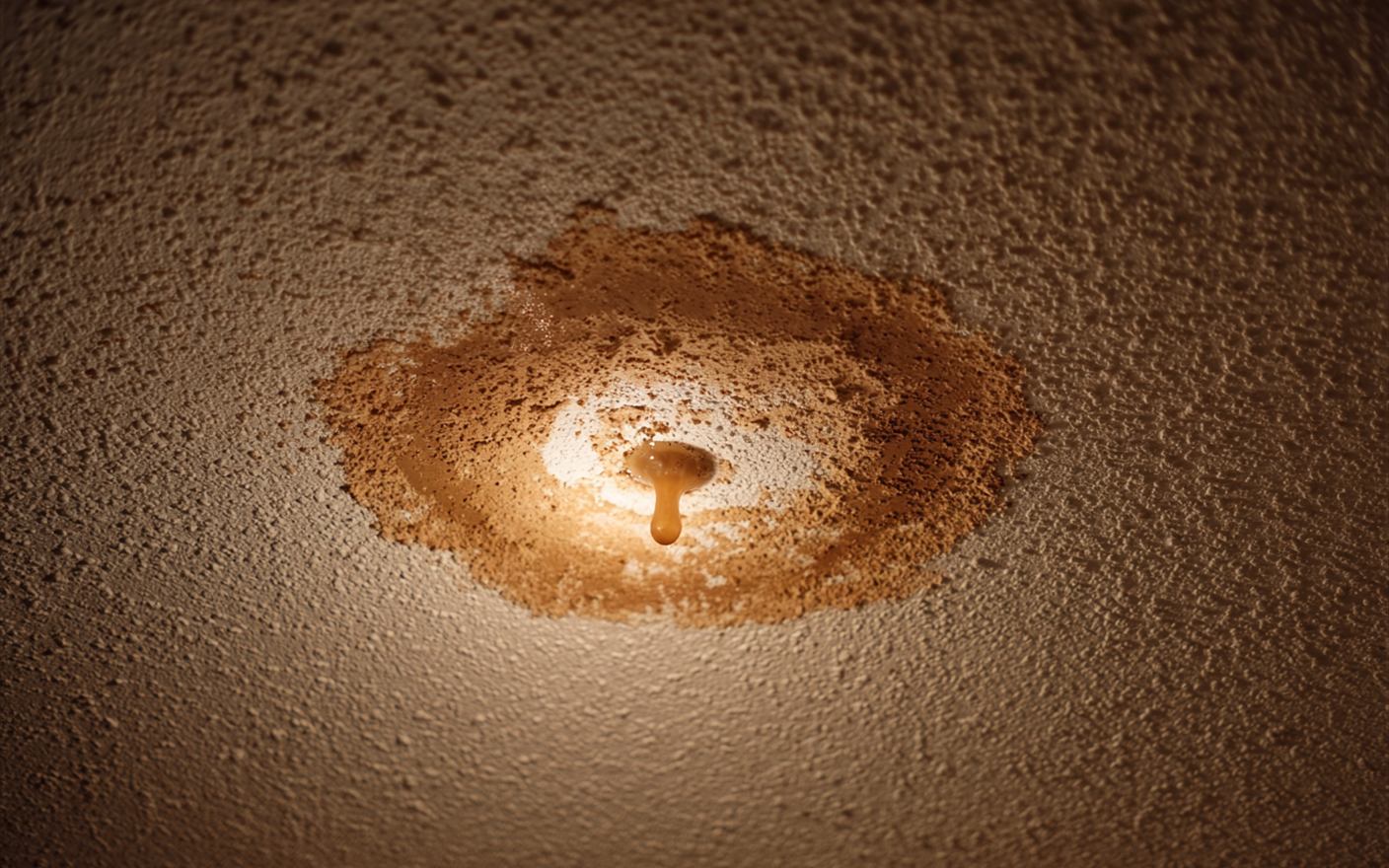
Popcorn Ceilings After a Leak
Older textured ceilings, and why testing comes before scraping.
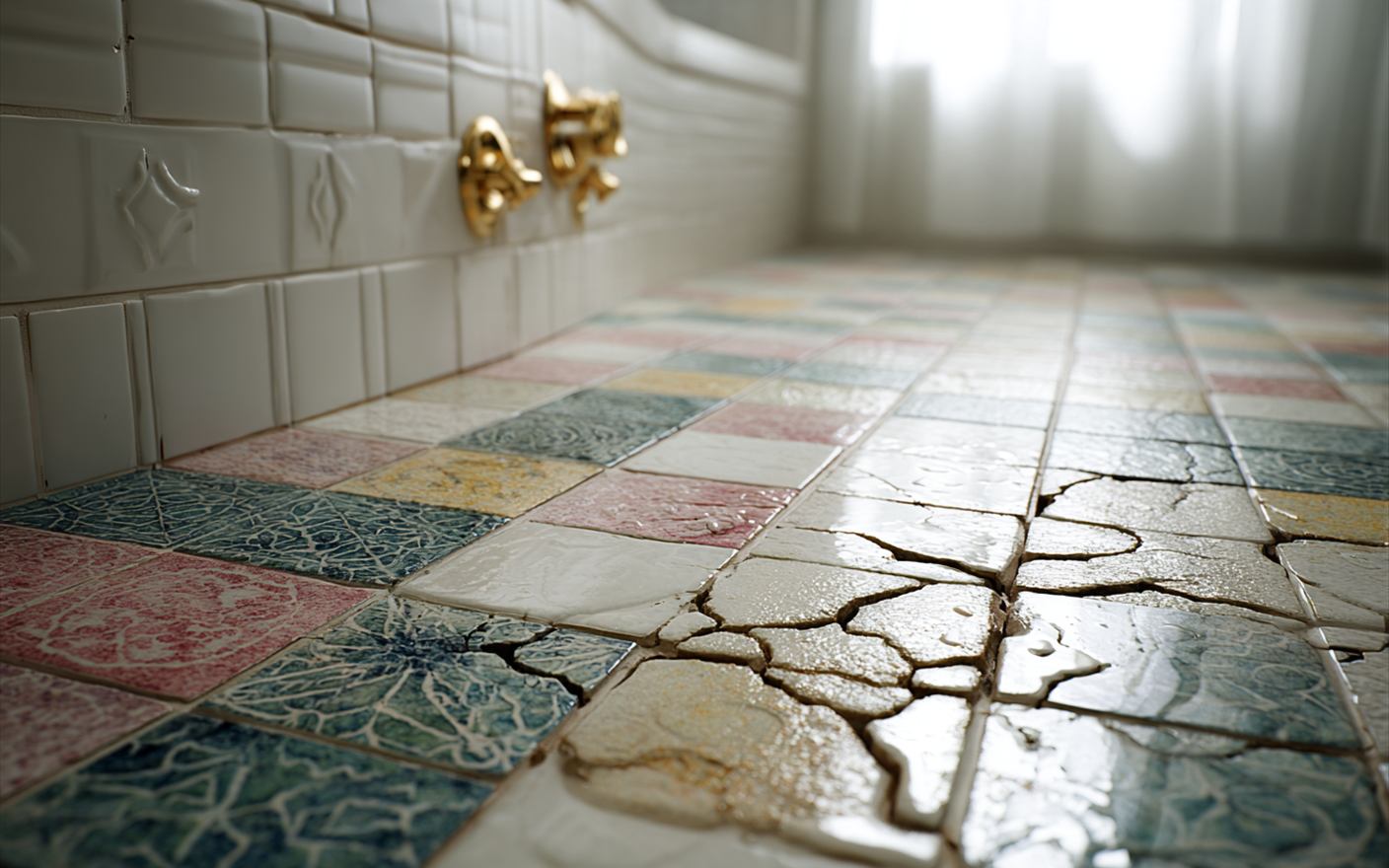
Shower Pans, Tub Surrounds and Toilet Seals: Bathroom Leaks You Don't See
The slow leaks that show up a floor below.